SAN ANTONIO (January 28, 2024) — A study of pediatric heart surgery centers across the United States has demonstrated that, when it comes to successful surgery, it’s not just the size of the program that matters in determining quality outcomes.
SAN ANTONIO (January 28, 2024) — Despite national guidelines recommending surgical aortic valve replacement (SAVR) for patients under age 65 with severe aortic stenosis, many hospitals are still opting for a nonsurgical approach in patients under 60—possibly with poorer survival rates.
During this session, investigators unveiled findings from the largest multicenter study of post-arterial switch operations (ASO) that resulted in increased survival rates for adolescents and adult patients – as well as an increase in the potential for these patients to require cardiac reoperations to address arterial switch related complications that arise later in life.
At day two's presentation on “Burden of Reoperative Cardiac Surgery among Adolescents and Adults Who Have Undergone Prior Arterial Switch Operation: Society of Thoracic Surgeons Database Analysis,” Bret Mettler, MD, from Johns Hopkins University, examined a multi-year assessment of the prevalence and types of cardiac surgical interventions in patients who previously underwent ASO using data from the STS National Database.
“Anatomical repair of transposition of the great arteries (TGA) and related anomalies by arterial switch operation (ASO) achieves a normal anatomic and physiologic cardiac configuration,” said Dr. Mettler. “And as survival rates have increased, so have the potential for these patients to require cardiac reoperations to address resulting ASO-related complications.”
As most reoperations involved multiple procedures, the presentation examined how a hierarchical stratification of procedure categories was established, with each eligible surgical hospitalization assigned to the single highest applicable hierarchical category.
Dr. Mettler's presentation also examined implications for surgical counseling, post-operative clinical surveillance, and therapeutic management. An analysis of the role of procedural prevalence, timing, categories, trends, and the growing number of reoperations was discussed.
An engaging presentation on day two of STS 2024 focused on how socioeconomic disadvantage is associated with inferior patient survival following heart transplantation, while closely examining how future efforts and national policy changes are needed to improve longitudinal follow-up care and address systemic barriers to necessary healthcare.
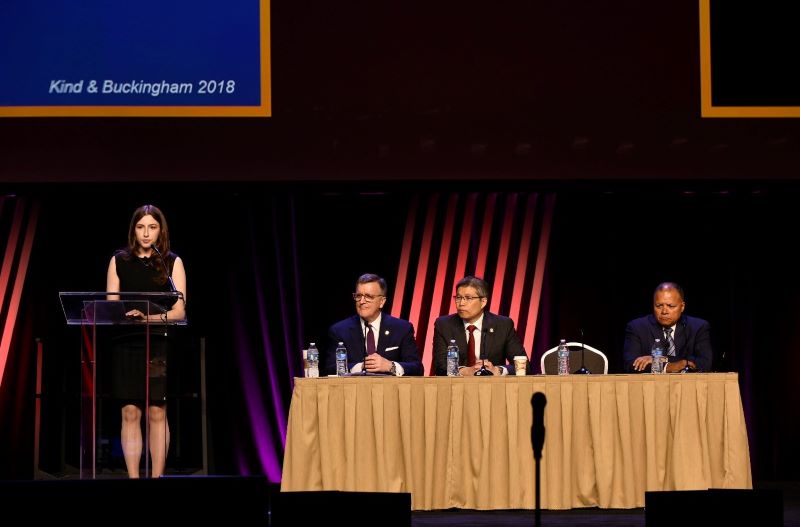
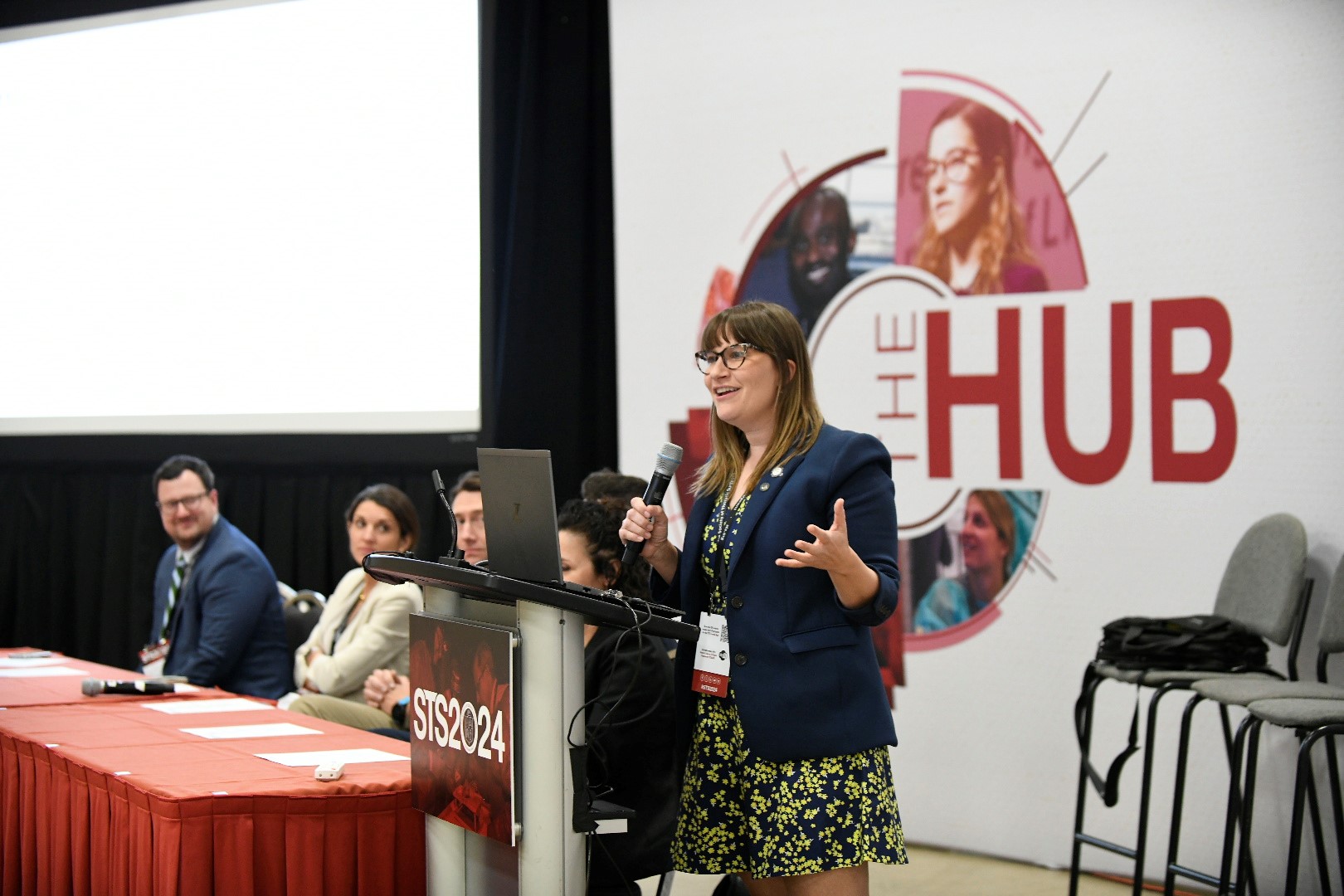
Sara Sakowitz, MS, MPH, examines how socioeconomic disadvantage is associated with inferior patient survival following heart transplantation at STS 2024.
“Hospital Volume Does Not Mitigate the Effect of Community Socioeconomic Deprivation on Outcomes of Heart Transplantation” was given as part of the J. Maxwell Chamberlain Memorial Papers Perioperative and Critical Care Surgery session.
Sara Sakowitz, MS, MPH, from UCLA David Geffen School of Medicine, reported on the independent association between neighborhood area deprivation and survival following heart transplantation, showing that patients who live in socioeconomically deprived communities demonstrate inferior long-term outcomes.
“These disparities were not mitigated by receiving care at high-volume heart transplantation centers and have persisted over the last two decades,” said Ms. Sakowitz. “Our study findings underscore the need to improve access to and engagement with longitudinal follow-up care, remove barriers to medication and appointment non-adherence, and directly address the underlying and systemic root causes of community-level inequities in transplant outcomes.“
This talk demonstrated the need for a team-based, collaborative approach to solve the issue. Clinicians and hospitals should consider implementing certain programs for their own communities – including expanded patient navigator services, social support groups, and clinical pharmacy services.
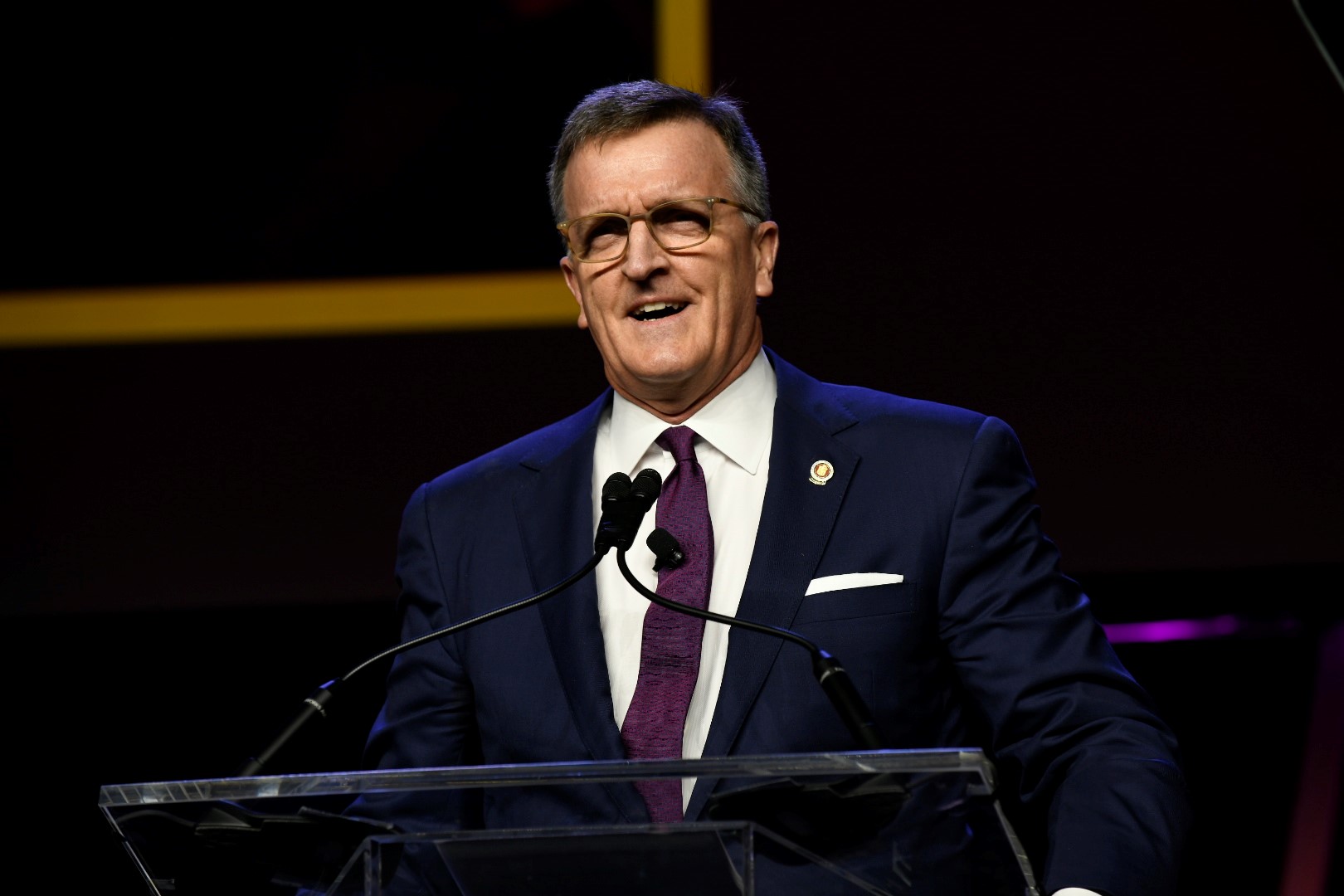
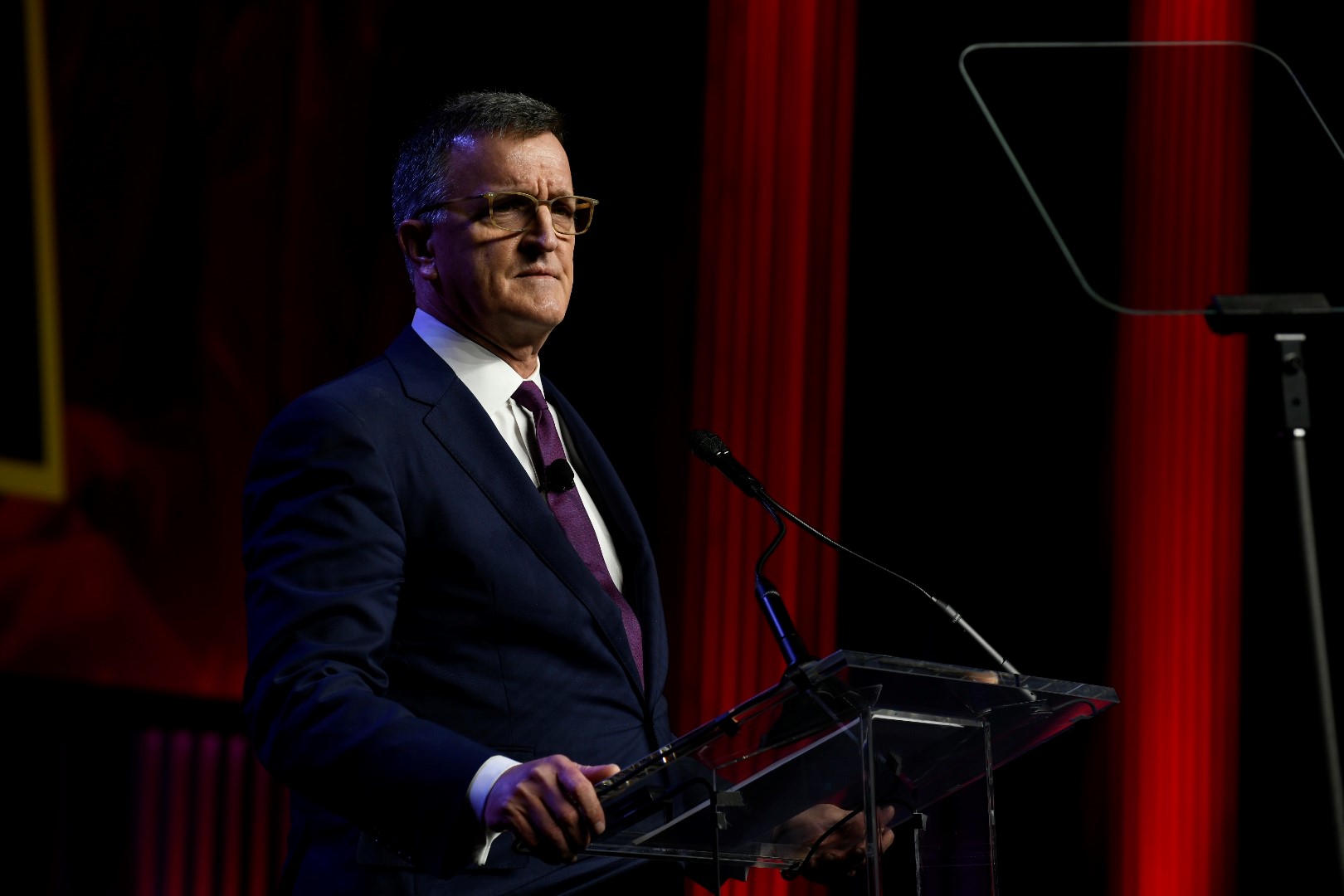
“Over the past year, the STS has reaffirmed our mission to improve the lives of patients with cardiothoracic disease. We have revised our strategic plan and identified three top priorities: champion the value and impact of the specialty; advance the health, well-being, and inclusion of all cardiothoracic surgeons; and enhance the STS member value and educational experience.
It’s been an extraordinary year. We have been champions of the specialty and champions of each other. Thank you for the honor of being your president.”
STS President Dr. Tom MacGillivray
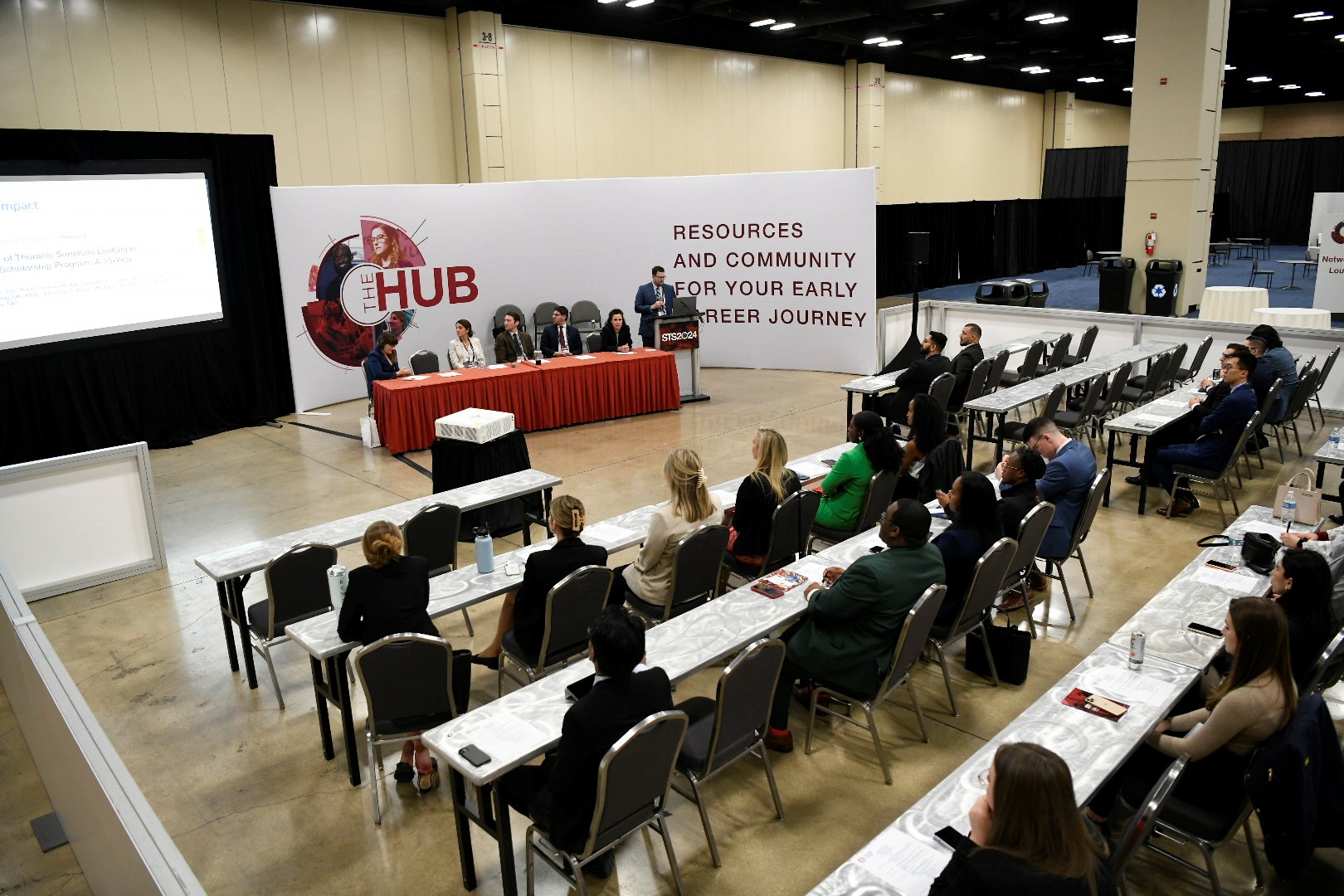
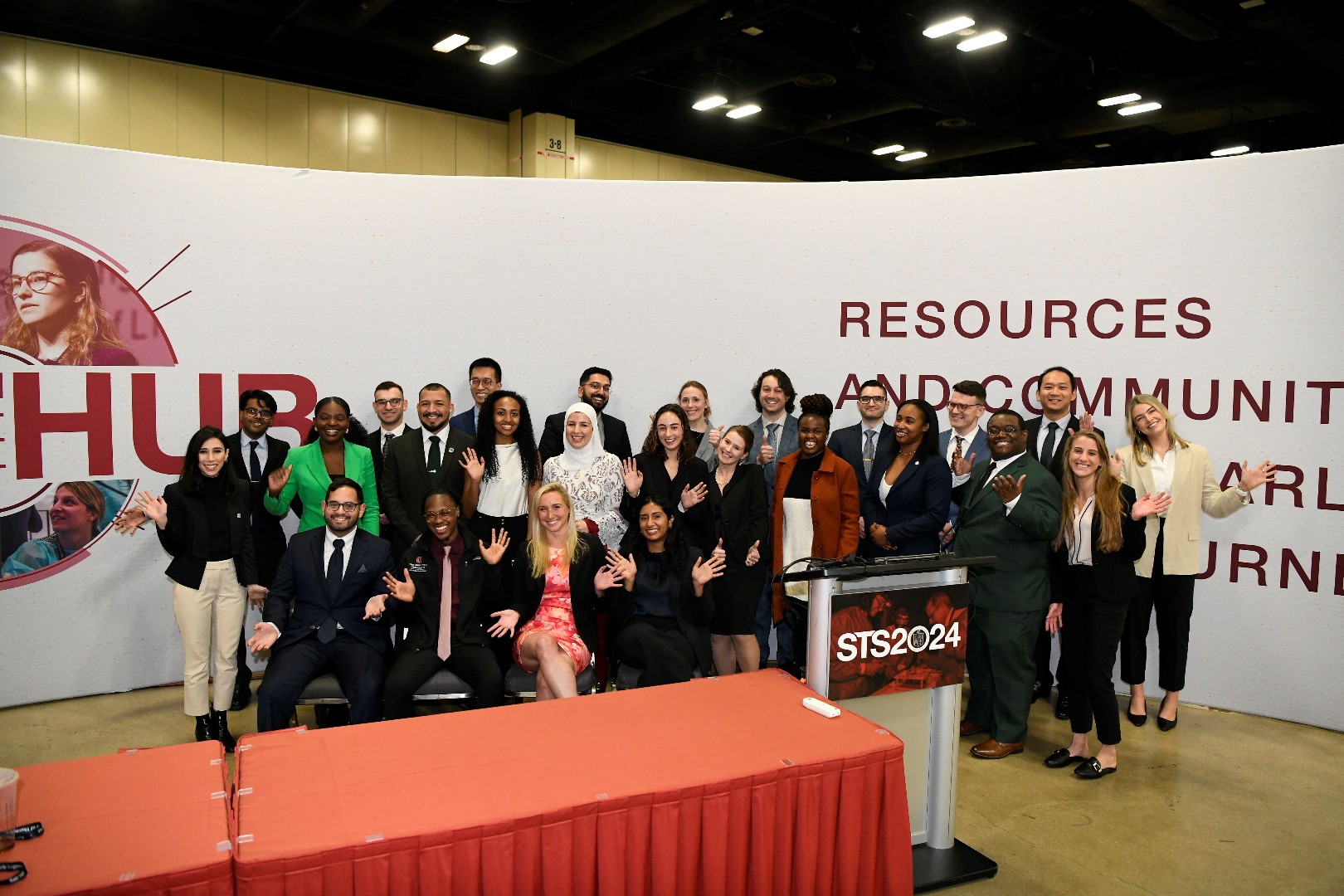
The Hub made its debut at STS 2024. In the Exhibit Hall, meeting participants attended the "Early Career Journey Roundtable: Trade Secrets for a Successful Career Journey," creating peer-to-peer connections while networking.
Shortly after the 60th STS Annual Meeting began, a packed crowd attended the "Trends and Research from the STS Adult Cardiac Surgery Database (ACSD)" session, beginning with a presentation by Michael E. Bowdish, MD, of the Smid Heart Institute, Cedars-Sinai Medical Center. He looked back at the origins of the ACSD, which was established in 1989 to collect information on cardiac surgery procedures, track outcomes, and provide insights into opportunities for quality improvement.
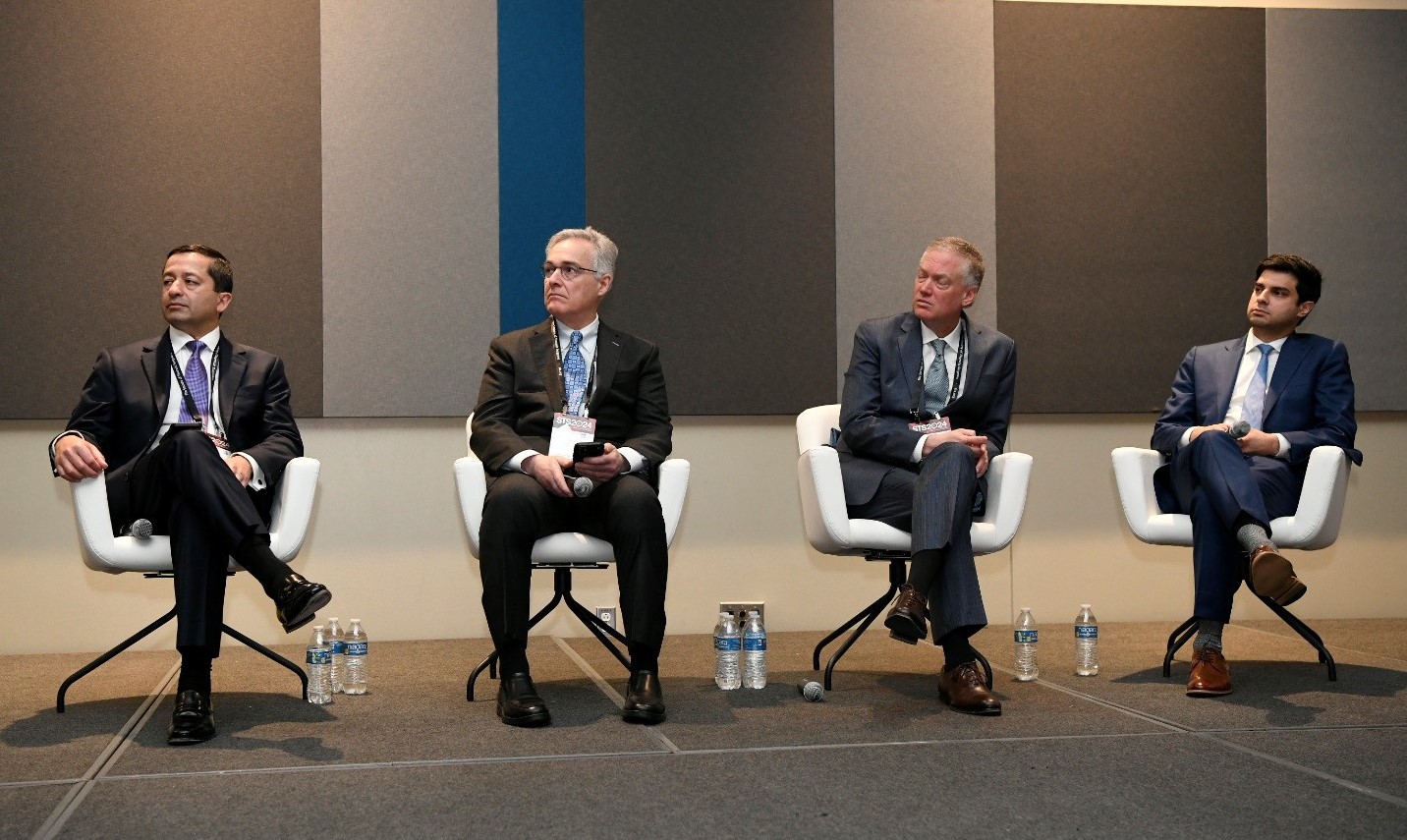
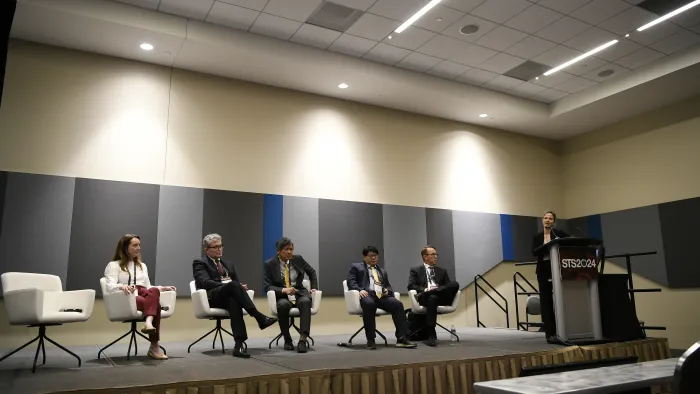
Expert panel members field questions during the "Trends and Research from the STS ACSD" session.
Today – more than three decades later – the Database offers more than nine million recorded procedures making it one of the most comprehensive, robust, and sophisticated contemporary clinical databases in use.
For example, 95% of centers performing coronary artery bypass grafting (CABG) in the United States, and 97% of patients receiving CABG are included in the STS ACSD. Every year 10% of the participating sites undergo a data audit assessing data accuracy and completeness with strict thresholds to pass quality control. Continuous education of data managers is a further element to ensure data quality.
"STS ACSD is a vital source of data for outcomes research quality improvement, with overall volumes that are stable with notable trends in aortic surgery," said Dr. Bowdish.
The STS ACSD has provided the foundation for national benchmarking in adult cardiac surgery through the development of regularly updated and recalibrated risk models and performance metrics, the availability of feedback reports to database participants and individual surgeons, quality-improvement efforts, voluntary public reporting, and comparative effectiveness research.
Two STS 2024 sessions featured late-breaking research covering new findings on a research study focused on resectable early stage non-small-cell lung cancer and a study that used data to define characteristics associated with long-term survival following esophagectomy for cancer.
Impact of Surgical Factors on Event-Free Survival in the Randomized, Placebo-Controlled, Phase 3 KEYNOTE-671 Trial of Perioperative Pembrolizumab For Early Stage Non-Small-Cell Lung Cancer
In a talk given by presenting author Jonathan David Spicer, MD, PhD, of McGill University, he discussed new findings from the KEYNOTE-671 research study, focused on resectable early stage non-small-cell lung cancer (NSCLC), which have unveiled a significant breakthrough in the treatment landscape.
The study, titled "Impact of Surgical-Related Data on Event-Free Survival in KEYNOTE-671," demonstrated that neoadjuvant therapy with pembrolizumab plus chemotherapy did not delay surgery. "Results showed that neoadjuvant pembrolizumab plus chemotherapy with adjuvant pembrolizumab provided meaningful improvement in EFS," said Dr. Spicer. "This was shown when compared with neoadjuvant chemotherapy alone for resectable early stage NSCLC – regardless of clinical nodal status, baseline disease stage, or type of surgery."
Longitudinal Follow-up of Elderly Patients After Esophageal Cancer Resection in the Society of Thoracic Surgeons General Thoracic Surgery Database
In this study, Justin Blasberg, MD, of Yale School of Medicine, used the STS General Thoracic Surgery Database linked to the Centers for Medicare and Medicaid Services data to define characteristics associated with long-term survival following esophagectomy for cancer. The analysis included 4,798 patients from 207 STS sites who underwent esophagectomy between 2012-2019. "The researchers found that Medicare patients undergoing esophagectomy for cancer exhibit identifiable predictors for long-term survival and readmission," noted Dr. Blasberg. "The absence of pathologic T and N downstaging increases the risk for long-term mortality and readmission."
These findings suggest opportunities to enhance clinical practice and improve outcomes for Medicare patients undergoing esophagectomy for cancer.
On day one of STS 2024, meeting goers attended numerous sessions that explored the growing debate between SAVR and TAVR as treatment options,
Dr. Michael Bowdish presents a late-breaking session on cardiac surgery after TAVR trends and outcomes.
"Improved Longitudinal Outcomes with Surgical Aortic Valve Replacement with Atrial Fibrillation Management over Transcatheter Aortic Valve Replacement Alone," part of the larger "Bring SAVR Back" session given by J Hunter Mehaffey, MD, unveiled Class I guideline recommendations that support atrial fibrillation (AF) treatment during surgical aortic valve replacement (SAVR). And how recently, many low to intermediate risk patients with AF and aortic stenosis (AS) are managed by transcatheter aortic valve replacement (TAVR). And finally, they evaluated real-world longitudinal outcomes of TAVR vs SAVR with or without AF treatment.
"We concluded that in Medicare beneficiaries with AF who required aortic valve replacement, SAVR with concomitant treatment of AF was associated with improved longitudinal survival and freedom from stroke compared to TAVR," noted Dr. Mehaffey. "Consideration should be given for SAVR with AF treatment as a first-line approach for patients with AF requiring aortic valve replacement."
In his discussion of "Robotic Aortic Valve Replacement versus Transcatheter Aortic Valve Replacement: A Propensity Matched Analysis," Vikrant Jagadeesan, MD, presented findings on contemporary data that supports equipoise between surgical aortic valve replacement and transcatheter aortic valve replacement (TAVR) for the management of symptomatic severe aortic stenosis (AS). He further explained that controversy exists around the optimal management of patients in low to intermediate risk categories, and how the study compared outcomes of surgical robotic aortic valve replacement (RAVR) to TAVR.
"Compared to TAVR, RAVR was associated with lower stroke and PPM rates, less PVL, and improved 1 year survival," said Dr. Jagadeesan. "And RAVR may provide a safe and effective minimally invasive first-line alternative for low to intermediate risk patients presenting with symptomatic AS."
In a late breaking session titled, "Cardiac Surgery after Transcatheter Aortic Valve Replacement: Trends and Outcomes," Michael Bowdish, MD, illustrated how his research team set out to document trends and outcomes in cardiac surgery following transcatheter aortic valve replacement (TAVR), a topic gaining importance as reports of subsequent cardiac operations and early TAVR explantations increase. Using the Society of Thoracic Surgeons Adult Cardiac Surgery Database, the study covers adult patients who underwent cardiac surgery after an initial TAVR from January 2012 to March 2023.
"The study findings underscore the escalating need for both aortic and non-aortic valve cardiac surgeries following TAVR," explained Dr. Bowdish. "They note a substantial increase in the frequency of these surgeries, emphasizing the importance of understanding outcomes." He observed elevated risk in these cases, as indicated by mortality and stroke rates, which calls for careful consideration, particularly given the expanding use of TAVR across a broader range of age and risk profiles. Finally, the study suggests the need for ongoing assessment and longitudinal evidence to inform decision-making in the evolving landscape of TAVR applications.
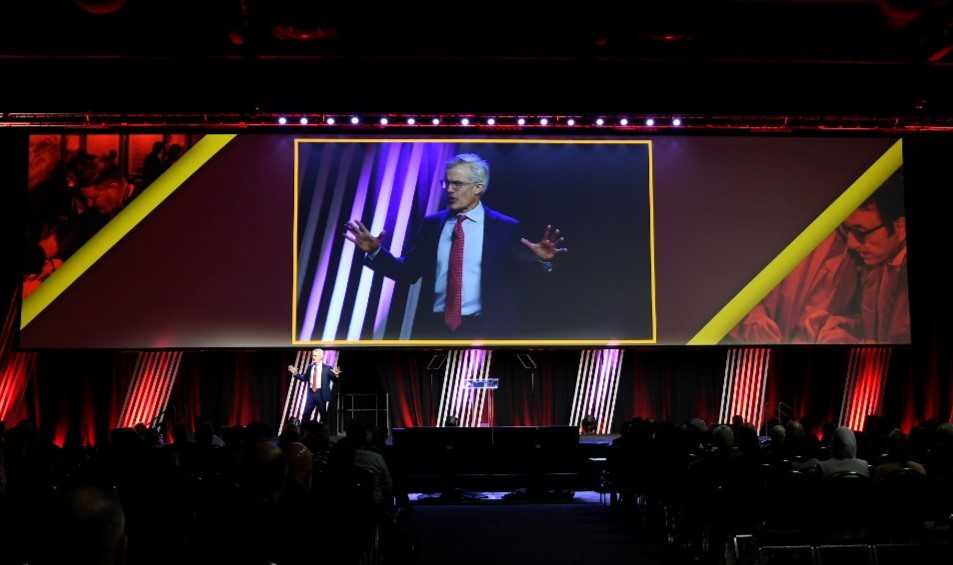
Opening remarks were given by STS President Tom MacGillivary, MD, who introduced the C. Walton Lillehei Lecture from Mortimer J. Buckly, Chairman & CEO, Vanguard.
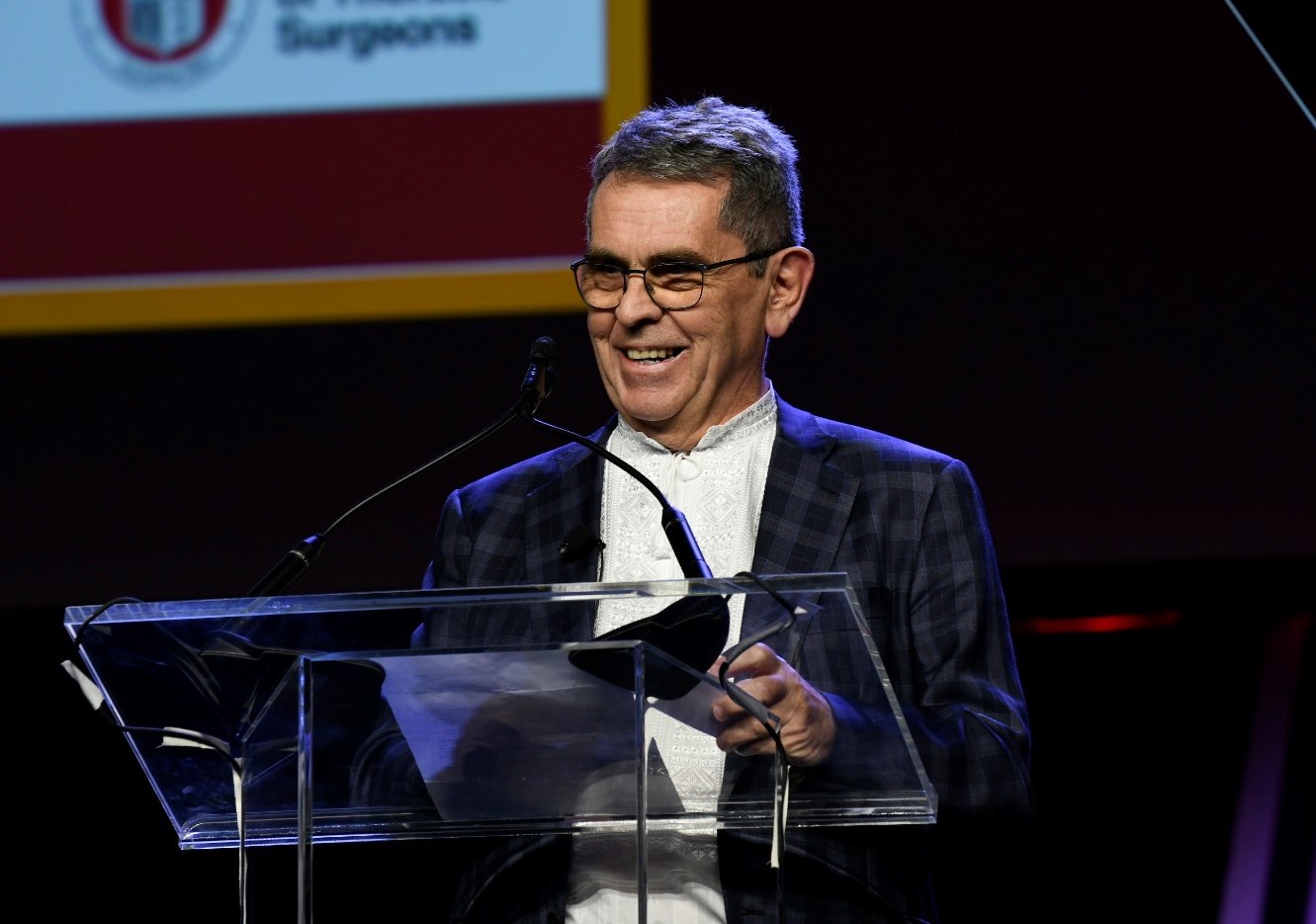
During the Plenary Speaker event on the main stage, Illya Yemets, MD, PhD, delivered his speech titled, "Ukraine Experience of Cardiac Care from 'Cradle to Longevity' During Russian Invasion," while poignantly reflecting on the past, with hope for the future of Ukraine, which “will not survive without help.”
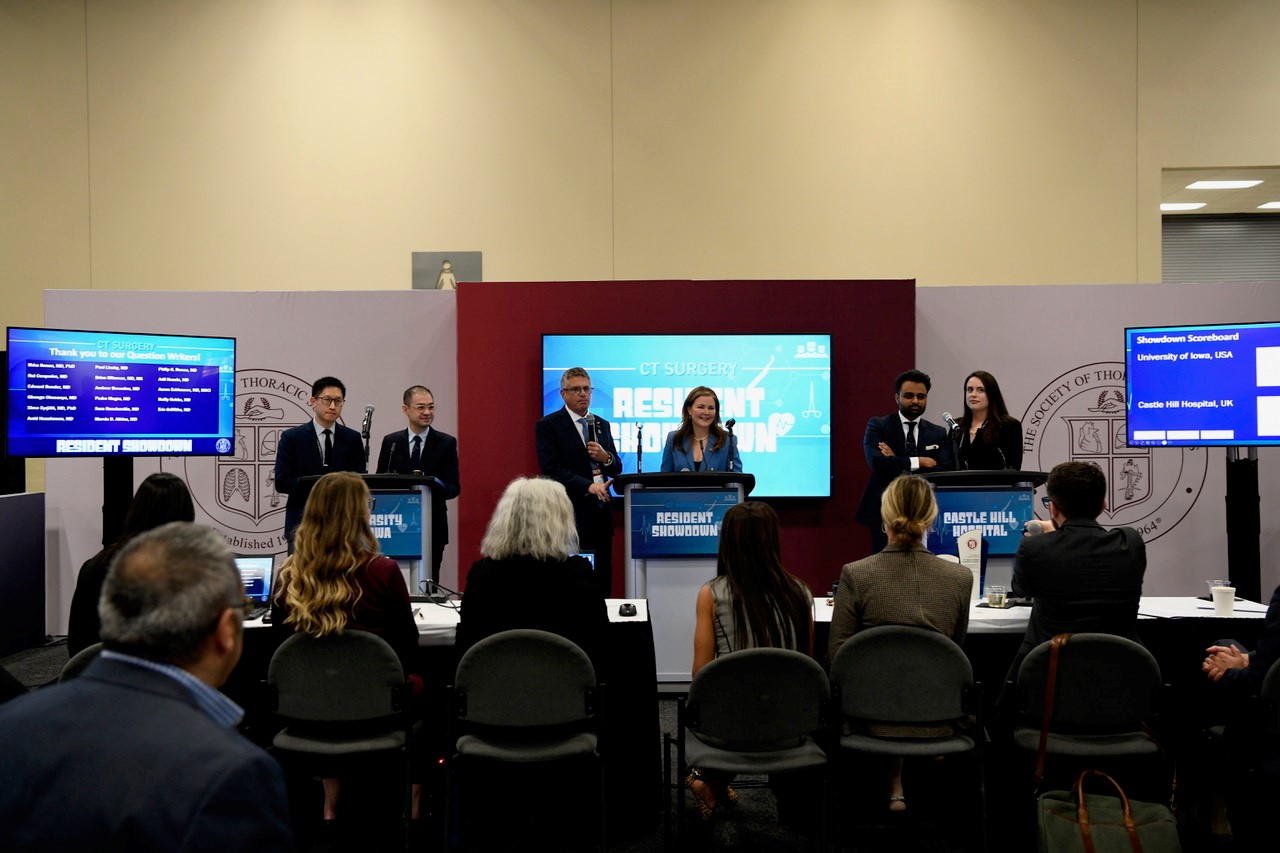
Congratulations to the winners of this year's CT Surgery Resident Showdown Champions from ... the University of Iowa!
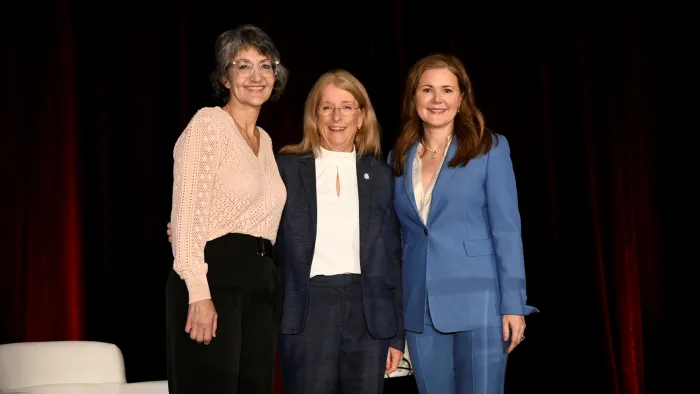
The Society of Thoracic Surgeons (STS) today announced the 2024 Extraordinary Women in Cardiothoracic Surgery Award recipients at its 60th Annual Meeting in San Antonio, Texas.
SAN ANTONIO (January 27, 2024) — The Society of Thoracic Surgeons released late-breaking research scheduled for presentation at the 2024 Annual Meeting taking place January 27 - 29 in San Antonio. The conference, healthcare’s leading scientific and educational convening specializing in cardiothoracic surgery, has a rich history of showcasing clinical trials with a strong foundation of detailed methodology and trusted data collection governed by ethical clinical principles.
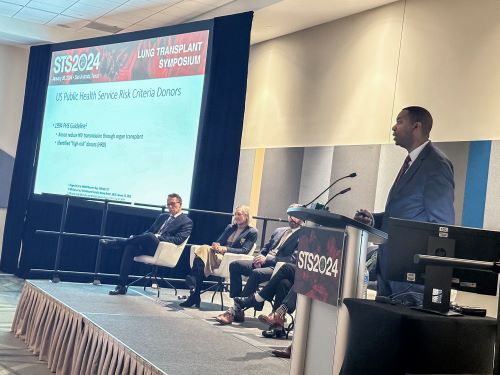
The 2024 Lung Transplant Symposium: Surgical and Medical Insights for Transplant Assessment and Management, presented at the STS 2024 pre-conference convening on Friday, January 26. Approximately 100 surgeons, pulmonologists, anesthesiologists, and other transplant team members learned about best-practice approaches for surgical and medical care of lung transplant patients – from assessment as candidates though post-surgical care as recipients.
Nearly 100 surgeons, pulmonologists, anesthesiologists, and other transplant team members attended the 2024 Lung Transplant Symposium.
After a welcome and introduction by STS President Dr. Tom MacGillivray, Dr. Shaf Keshavjee of the Toronto Lung Transplant Program at the University Health Network, gave a brief overview of lung transplantation firsts and milestones before moving into present-day breakthroughs and areas of concern.
"Current noteworthy topics we’re addressing in lung transplantation include primary graft dysfunction, donor management, and organ repair centers, refining the transplant ecosystem, as well as understanding the challenges of retrieval and transport of organs," said Dr. Keshavjeee.
Five 90-minute sessions covered the following subject areas: recipient selection, donor selection, intraoperative management, postoperative management, and challenging situations led by expert panels who answered questions from attendees.
Among the wide range of presentations, the Symposium featured included, "ECMO as Bridge to Transplant;" "Organ Procurement Techniques -- DBD, DCD, or NRP;" "Perioperative and Intraoperative Anesthesia Management;" and "Diagnosis, Monitoring and Therapeutic Challenges," which each cited current research and case study results.