This fascinating discussion of metabolic health and nutrition exposes some of the leading myths that underlie the current pandemic of diet-related disease.
1 hr. 3 min.
Image
Career Development Blog
How to establish stability in a seemingly uncontrollable situation
5 min read
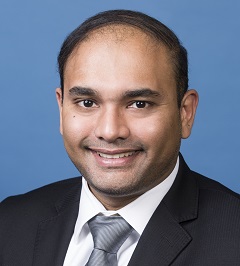
Thomas K. Varghese Jr., MD, MS, MBA
Why are we obsessed with the things we want and bored when we get them? Why is addiction “perfectly logical” to an addict? Dopamine, according to Dr. Lieberman.
1 hr. 7 min.
Forming good habits is hard and breaking bad habits can be even harder.
1 hr. 6 min.

WASHINGTON (July 30, 2021) — A coalition of cardiovascular societies have issued the following statement in support of all health care systems requiring COVID-19 vaccines for health care and long-term care employees:

Jul 30, 2021

Hosted by Thomas K. Varghese Jr., MD, MS, the “Beyond the Abstract” program explores the “whys” behind articles in The Annals of Thoracic Surgery and discusses next steps with authors and thought leaders.

30 min

Twenty institutions top the list for the most cardiothoracic surgery research and education grants funded by TSF

Jul 29, 2021
Listeners learn why we “say yes to everything”—a habit that often results in constant busyness and overwhelm.
1 hr.

Surgical Care Coalition urges Congress to address systemic challenges to stop the annual reductions in patient care

WASHINGTON (July 13, 2021) – The proposed Medicare Physician Fee Schedule for calendar year 2022 (CY2022) released today by the Centers for Medicare & Medicaid Services (CMS) fails to address pending cuts to surgical care and therefore continues to threaten patient care by reaffirming these previously imposed misguided cuts, argues the Surgical Care Coalition.

Jul 15, 2021
Listeners will discover that being on “autopilot” puts them at risk for a less-than-optimal mind, body, energetic state, and focus.
1 hr. 10 min.
Virtual Courses Offer Flexible Access to Don’t-Miss Events To help professionals balance a post-quarantine schedule of increasing in-person activities, STS has opted to keep some of its most popular courses virtual. Find details on these courses and more—and add them to your calendar—at sts.org/meetings. Advanced TAVR Symposium Designed to give cardiothoracic surgeons, interventional cardiologists, and other members of the heart team an in-depth understanding of transcatheter aortic valve replacement (TAVR), the half-day, Advanced TAVR Symposium: New Perspectives for the Surgeon and Heart Team course—scheduled for August 21—will explore the latest in TAVR research and techniques. A distinguished multidisciplinary faculty will cover advanced perspectives and topics including state-of-the-art TAVR implantation and explantation techniques, managing controversial patient populations, and staying relevant in the aortic surgical field. The symposium will feature didactic sessions, case-based presentations, and live discussion and Q&A. Associate, Candidate, and Pre-Candidate Members receive free registration for the Advanced TAVR Symposium. For more information on the meeting agenda and registration, visit sts.org/tavr.   Critical Care Conference The Perioperative and Critical Care Conference—taking place September 10–11—is expected to attract all members of the critical care team and provide a forum to enhance knowledge and expertise in cardiovascular and thoracic critical care, as well as enhanced recovery after surgery. The event will feature live transmissions from around the globe, transformative research and science, as well as opportunities to learn and engage with the brightest minds in critical care. Leading experts will present new concepts, technologies, management protocols, and clinical experiences. For more information, visit sts.org/criticalcare. AQO Data Managers Meeting Surgeon leaders and data managers will gather virtually during Advances in Quality Outcomes (AQO): A Data Managers Meeting, October 12–15, to share valuable research and important clinical findings with the goal of improving data collection and patient outcomes. The conference also will highlight what’s new with the STS National Database. One day will be dedicated entirely to each registry: Tuesday, October 12 – Intermacs/Pedimacs Wednesday, October 13 – General Thoracic Thursday, October 14 – Adult Cardiac Friday, October 15 – Congenital This year, AQO registration is free for all STS National Database data managers. More information is available at sts.org/AQO. New Pediatric and Congenital Chapters Round Out the STS E-Book The highly anticipated Pediatric and Congenital Cardiac Surgery chapters are now available in the STS Cardiothoracic Surgery E-Book. This resource is hailed as the most complete and authoritative online resource for cardiothoracic surgical information in the world. The comprehensive e-book features 350+ chapters, more than 780 hand-drawn, high-quality medical illustrations, 25,000 evidence-based references, plus photographs, tables, and relevant surgical videos. It is accessible 24/7/365 via a web browser or mobile app (iOS and Android). The e-book includes two volumes: an update and expansion of the popular Pearson’s General Thoracic Surgery and all-new content in the Adult and Pediatric Cardiac Surgery volume. Among the 15 new chapters are: Nomenclature for Pediatric and Congenital Cardiac Care Basic Hemodynamics for Pediatric and Congenital Cardiac Care Myocardial Protection Basic Hemodynamics for Pediatric and Congenital Cardiac Care Vascular Rings and Slings Hybrid Approaches to Congenital Heart Disease Approach to Patients and Families The e-book chapters are regularly updated with the latest technological and treatment advances. Institutional subscriptions and individual subscriptions—with a special discount for STS members—are available. Subscribe at sts.org/ebook.   Annals Impact Factor Reaches Record High The Society’s peer-reviewed journal, The Annals of Thoracic Surgery, has earned its highest impact factor to date—and the first one over four. The impact factor, an important metric indicating a journal’s influence, measures the frequency with which the average article has been cited in a particular year. For 2020, the impact factor was 4.330, as reported by Clarivate Analytics in its Journal Citation Reports.   Article topics that received the most citations last year include: the Intermacs annual report; reporting standards for type B aortic dissection; COVID-19 guidance documents for crisis management, mitigation strategies, and triage of operations in adult cardiac and congenital heart surgery, and thoracic malignancies; social media’s influence in CT surgical literature dissemination; representation of women in STS authorship and leadership positions; and the growing role of artificial intelligence and machine learning in cardiovascular health care. A subscription to The Annals is a benefit of STS membership. To read the journal online, visit annalsthoracicsurgery.org. Single Sign-On Enables Easier Access to Annals, Member Benefits STS members no longer need separate log ins to access the robust multimedia content in The Annals of Thoracic Surgery or other STS member benefits. A new single sign-on (SSO) feature allows members to move seamlessly from the resources accessible on STS.org to the Annals site. To take advantage of this SSO feature, members will need to sync accounts—only once—using the following instructions: 1. Go to the Annals website: www.annalsthoracicsurgery.org. 2. In the upper right corner, click the “Log in” link. 3. From the two login types displayed, select “STS Member Login.” 4. Once routed to the STS Portal, enter your STS Portal credentials and click “Log in.” 5. This will take you back to the Elsevier page to link your accounts. Enter your Elsevier login credentials and click “Log in.” 6. In the future, you will only need to log in via the STS portal. If you have questions regarding the STS portal login, contact Member Services at membership@sts.org. STS Leadership Positions: Are You Interested? All members are invited to participate in the Society’s self-nomination process for standing committee and workforce appointments. In order to represent the full gender and ethnic diversity of the membership, STS encourages submissions from all practice types, career levels, disciplines, geographic areas, and other demographics. Submissions will be accepted in August; information on how to self-nominate will be coming soon through various STS communications and online at sts.org/selfnomination. A full list of the Society’s leadership and governance structure can be found at sts.org/leadership. LTTF Scholarships Give Bright Young Minds a Glimpse at a Future in CT Surgery For general surgery residents and medical students training in the US or Canada and are considering a career in cardiothoracic surgery, the Society’s Looking to the Future (LTTF) Scholarship Program can inspire minds and open doors. STS encourages ambitious, accomplished students and residents to apply for an LTTF scholarship, which gives selected candidates the opportunity to attend the STS 58th Annual Meeting—to be held January 29-31, in Miami Beach, Florida. Scholarships cover registration fees to the meeting, a 3-night stay at an STS-designated hotel, participation in exclusive events, and reimbursement of up to $500 in related travel expenses. Application details will be available later this summer at sts.org/lttf. Previous scholarship recipients are not eligible; however, previous applicants are encouraged to re-apply. Leaders Advise on Weathering Crises, Building Brand Identity Navigating the unexpected and establishing your brand as a surgeon have been the focuses of the first two episodes in the new STS Leadership Series: Building Leaders for Today & Tomorrow. “Leading During Crisis” featured a short presentation on different leadership styles, a keynote address on leading during a pandemic, and a 20-minute panel discussion, moderated by Mara B. Antonoff, MD, and Ram Kumar Subramanyan, MD, PhD, on how to lead in the face of difficult situations such as poor clinical outcomes and HR challenges. Panel members also described the benefits of leading by example, being present, and offering optimism and hope. In “Building Your Practice and Your Brand,” moderated by Robert S.D. Higgins, MD, MSHA, and Anita R. Krueger, MD, accomplished early career and mid-career surgical practitioners offered tips on how to build a foundation for a successful practice. Topics included how to launch a successful career, creating a professional niche, the art of decision-making, and how to ask for a pay raise. If you missed these two webinars, you can access the recordings in the STS Learning Center. Instructions are available at sts.org/leadershipseries. You also can find details about the third and final webinar in the 2021-2022 series, which will be held on October 7. Melanie A. Edwards, MD, and Dawn S. Hui, MD, will moderate “Promoting Your Brand.” In addition to the three webinars, the series will include an in-person event on Friday, January 28, prior to STS 2022 in Miami Beach, Florida.
Jul 7, 2021
7 min read
STS News, Summer 2021 — The US Food and Drug Administration (FDA) has announced plans to ban menthol cigarettes and flavored cigars within the next year. The historic move, when implemented, will help to protect children from tobacco addiction, advance health equity, and prevent tobacco-related illnesses. The Society has long been committed to protecting patients against the harmful effects of tobacco, and mitigating e-cigarette and tobacco use, especially among kids and young adults, remains a priority. The menthol ban is due largely to the collective efforts of many organizations, including STS, and critical grassroots advocacy participation from physicians from across the country. Despite this major victory, STS continues its aggressive fight against tobacco. The Society is among the organizations pushing for a $72.5 million increase in funding (for a total of $310 million) for the Centers for Disease Control and Prevention’s Office on Smoking and Health (OSH). This increase would allow OSH to strengthen efforts that address the e-cigarette and tobacco use epidemics and expand programs to assist regions disproportionately harmed by it. In addition, STS and more than 50 medical organizations are supporting the Quit Because of COVID-19 Act. This legislation, led by Rep. Lisa Blunt Rochester (D-DE), would ensure that all Medicaid and Children’s Health Insurance Program enrollees have access to a full array of evidence-based tobacco cessation treatments for the duration of the COVID-19 public health crisis and the subsequent 2 years. Equally important, STS members are amplifying the Society’s anti-tobacco initiatives. They have sent numerous messages to their legislators and are active on social media in promoting STS advocacy efforts in the fight against tobacco. Details of the Society’s anti-tobacco position are available in the policy paper on tobacco and nicotine, which is included in the STS Health Policy Compendium. STS also has divested from investments that include companies tied to the tobacco industry. STS members who are interested in joining the fight and becoming an advocate for patient health can join the Key Contact Program. For more information, visit sts.org/keycontact.   Sen. John Boozman Recognized for Commitment to Health Care Policies In May 2021, STS presented its Legislator of the Year award to Senator John Boozman (R-AR) during a virtual ceremony for his outstanding legislative contributions that impact cardiothoracic surgeons and their patients. An optometrist by training, Sen. Boozman is committed to sharing his experience with colleagues on both sides of the aisle and finding “commonsense” solutions to challenges in the health care system. He consistently has been a champion of reforms that lower costs, improve quality, and increase affordable access to patient care. Most recently, Sen. Boozman led bipartisan efforts to halt damaging Medicare reimbursement cuts for cardiothoracic surgery.   Q&A with Sen. Boozman What are the most important health care issues our country faces in the current COVID-19 environment? As a result of COVID-19, medical providers are implementing telehealth alternatives to provide quality care that is convenient, safe, and efficient for patients. This practice has become more common and will continue to play a central role in the future of health care delivery. We must ensure providers have the tools and resources, particularly in rural areas where broadband deployment is underdeveloped, to expand this access to health care. We’ve always known the importance of physicians and health professionals, but to see how the medical community was overwhelmed as a result of COVID-19 demonstrates the importance of ensuring we have the personnel in the pipeline so we can be prepared for future health challenges. One thing we can do to strengthen this foundation is develop a plan to address the growing shortage of primary and specialty care physicians. That’s why I’ve helped introduce legislation to increase Medicare-supported residency positions. This will enable us to better provide quality health care throughout the country. In the last few months, Congress has prevented implementation of the proposed cuts to physician payments by the Centers for Medicare and Medicaid Services. We need an environment that encourages physicians to continue practicing, so we must avoid these cuts, especially during the COVID-19 pandemic. Health care providers shouldn’t have to worry about their bottom line when they are on the front lines treating patients with COVID-19 and administering life-saving vaccines. How do you think Congress can best address the concerns that have been raised by the physician community? Congress best solves problems when folks outside of Washington offer solutions. The answers must come from the ground up instead of bureaucrats looking at spreadsheets. During this difficult time, it’s even more important that we have bipartisan cooperation to prevent undercutting physicians with lower reimbursement rates or unfunded reporting requirement mandates that add extra burdens to providers when they’re already short-staffed. These actions ultimately affect patient care. What role does advocacy play in the policymaking process, especially in health care? COVID-19 has and will continue to impact the health care landscape in some capacity, so it’s important that providers continue to engage with policymakers about the challenges they face. The voices of physicians will be necessary to helping us recover, improve health care, and prepare us for future pandemics. How would you advise cardiothoracic surgeons on advancing important issues such as Medicare reimbursement and the accessibility and affordability of health care? Real life stories that show how policies affect patients and patient care are the most compelling. As an optometrist by training, I understand how well  respected physicians are in the community. It’s important to be vocal because citizens look to you for leadership and public servants need to understand how their decisions or lack of action on an issue impact your ability to provide the care and treatment we rely on. Expanded Coverage for Lung Cancer Screening At press time, the Centers for Medicare & Medicaid Services (CMS) was considering public comments after reopening its National Coverage Determination for low-dose computed tomography lung cancer screening. The health care community had been urging CMS to update lung cancer screening payment parameters to match new guidance from the US Preventive Services Task Force. A decision from CMS is expected by November, and the process should be completed by February 2022. 
Jul 6, 2021
5 min read